

TAC
WorkSafe & DVA Approved Provider
WorkSafe & DVA Approved Provider

Registered NDIS Provider
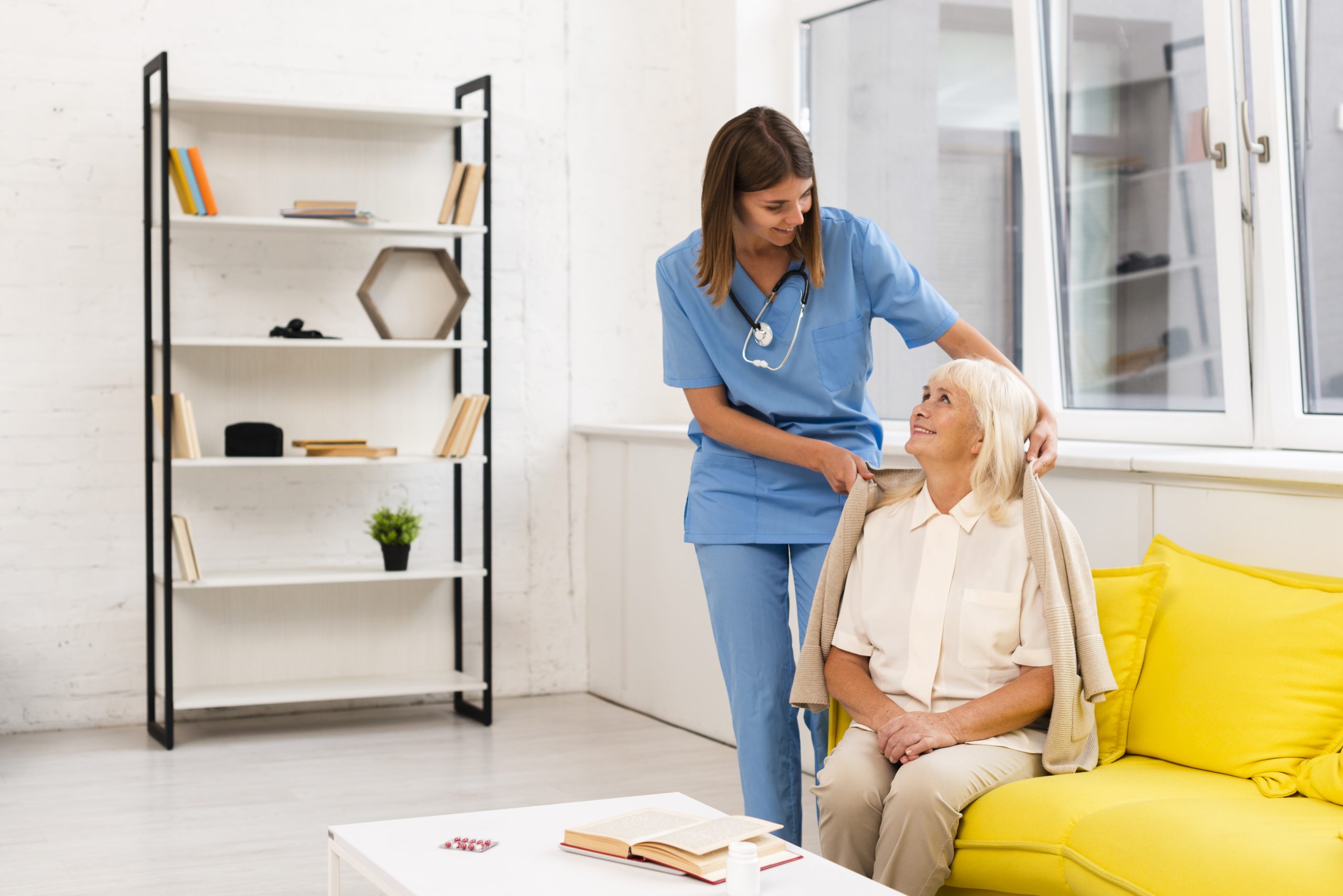
Living with a chronic condition often means navigating ongoing changes, frequent appointments, and the emotional strain of long-term health management. Whether someone is managing heart disease, diabetes, arthritis, respiratory conditions, or multiple health concerns at once, the day-to-day responsibilities can quickly become overwhelming for both individuals and their families. This is one reason why more people are turning to In-Home Nurses who can support them where they feel safest and most comfortable, all at home.
For many Australians, chronic illness isn't simply about treating symptoms, it’s about maintaining independence, staying active in the community, and having consistent support that aligns with their lifestyle. This is where in-home nursing plays a vital role, offering personalised attention, continuity of care, and a more holistic approach than traditional clinical settings alone can provide.
Chronic illnesses can shift unexpectedly, making regular observation essential. Unlike short clinic visits, Home nursing allows for steady, ongoing monitoring that adapts to the client’s daily needs.
During visits, the following may be checked:
• Blood pressure, glucose levels, oxygen saturation, or temperature
• Changes in mobility, appetite, sleep, or mood
• Early warning signs of complications, infections, or flare-ups
This consistent oversight by home nurses helps families make informed decisions more quickly and reduces the likelihood of avoidable hospital visits. Early detection often leads to more effective interventions and greater long-term stability.
Transitioning from hospital to home can be challenging, especially after surgery or an acute episode related to a chronic illness. Recovery often requires wound care, medication adjustments, mobility support, or monitoring for complications.
Through structured in-home nursing services, clients may receive:
• Assistance with wound management or dressing changes
• Support with new medications, dosage updates, or noticing side effects
• Encouragement with mobility exercises or safe activity routines
• Monitoring to ensure recovery stays on track
This reduces the likelihood of hospital readmissions and offers reassurance during a vulnerable phase of healing.
Managing chronic health conditions often requires input from multiple professionals: GPs, specialists, physiotherapists, dietitians, and more. Without support, communication gaps can occur, leading to confusion about medications, follow-up appointments, or treatment instructions.
Home nursing care helps bridge this gap by:
• Sharing health updates with the broader care team
• Supporting adherence to medical plans, including medication routines
• Helping clients stay on track with upcoming appointments or therapy sessions
This aligned approach improves continuity and ensures everyone involved in the client’s care is working toward the same goals.
Chronic illness often affects more than physical health. Feelings of isolation, frustration, or anxiety are common, particularly for those who experience reduced independence.
Nurses visiting regularly provide:
• A familiar face and consistent emotional support
• Opportunities for open conversation about challenges and progress
• Guidance toward additional support services when needed
This human connection can greatly improve overall wellbeing, especially for people who feel overwhelmed or discouraged.
Long-term illness management doesn’t end when a nurse leaves. Understanding the condition, recognising symptoms, and maintaining healthy habits all contribute to stability and wellbeing.
Home nurses often guide families through practical skills such as:
• Identifying warning signs of worsening symptoms
• Maintaining safe handling of equipment such as glucose monitors or inhalers
• Organising medications to prevent missed or duplicate doses
• Creating routines that support the person’s long-term health goals
Empowering both the individual and their family promotes independence and helps them feel more prepared to manage day-to-day challenges.
Home-based nursing adapts to unique needs, habits, cultural preferences, and living environments.
Personalised support may include:
• Care plans designed around the individual’s daily routine
• Adjustments to ensure comfort, dignity, and independence
• Flexible services that adapt as the condition improves or changes
This level of customisation makes home-based care particularly valuable for long-term conditions where needs may shift over time.
Family carers play an essential role, but long-term care responsibilities can lead to burnout. Professional home nurses can share the workload, provide respite, and offer guidance to help carers feel supported, not overwhelmed.
They often report feeling more confident, better informed, and significantly more at ease when nursing support becomes part of the care routine.
In-home nurses help maintain a safer living environment by identifying potential risks such as falls, medication interactions, mobility challenges, or home hazards. Their ongoing assessments can prevent small issues from becoming larger problems.
This proactive approach is especially important for clients who live alone or have complex medical needs that require careful management.
Now that you know the importance of in-home nursing, having someone that truly understands the importance of compassionate, consistent support is crucial.
Our team at Nurse4U is here to help individuals stay well, stay safe, and feel empowered in their own home. Whether you’re managing your own health or supporting someone you love, our nurses offer care that adapts to your unique needs.